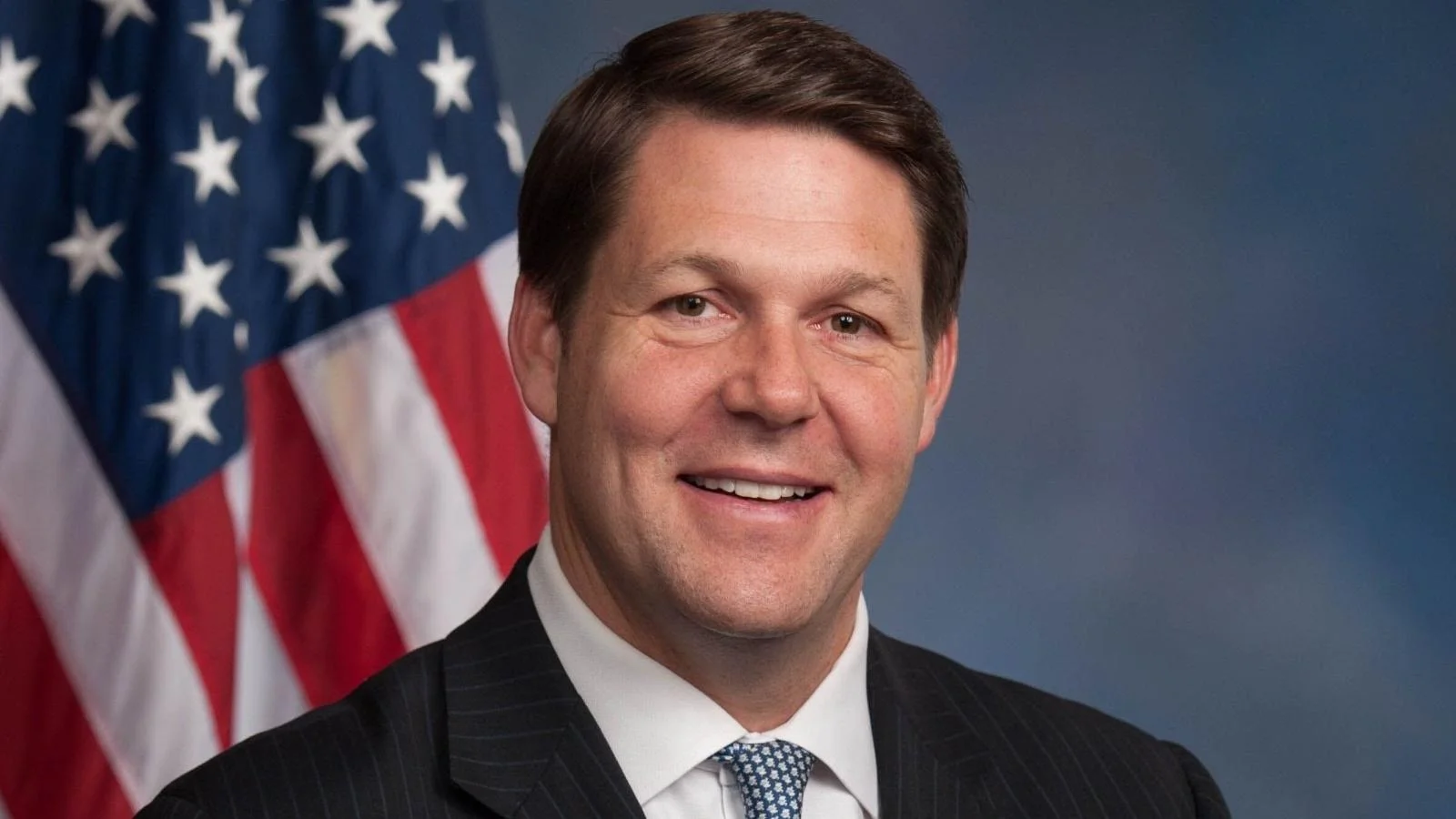
House Budget Committee Chairman Jodey Arrington appeared on CNBC's Squawk Box on Mar. 27 to discuss the committee's proposed budget framework and an upcoming reconciliation package aimed at funding defense priorities.
The discussion focused on efforts to address long-term fiscal sustainability by reducing the federal deficit relative to economic output, as well as measures to target waste and fraud in government spending. The House Budget Committee is responsible for overseeing federal spending, developing budget resolutions, and promoting fiscal responsibility, according to the official website.
Arrington said that achieving a balanced budget over ten years would require significant changes. "We've been looking at 10-year balanced budgets for decades. And we haven’t had a balanced budget in a quarter of a century. Today, if we’re going to balance in 10 years—that's $18 trillion. We'd have to do what we did in the Big Beautiful Bill every year for 10 years," he said during the interview.
He added that setting achievable goals is important: "So, I think any successful endeavor starts with defining success and setting achievable—ambitious—but achievable goals." Arrington described moving from annual deficits equal to about six percent of gross domestic product down to three percent as putting the country "on a better trajectory, a more sustainable one. And then, we can take it from there on a more ideal path to balance."
Discussing the reconciliation package intended for President Trump's defense priorities, Arrington said unified Republican leadership was given by voters "to lead and advance the America First agenda." He continued: "A big part of that is... supporting troops, securing the border, and ridding our government of this widespread fraud." He cited watchdog group reports estimating $180 billion annually in improper payments—three times larger than the Homeland Security budget—and pointed out inefficiencies such as losses within tax credit programs.
The House Budget Committee includes members from key committees such as Ways and Means and Appropriations according to its official website. It has influenced federal budget management through use of reconciliation processes while collaborating with the Congressional Budget Office for independent analyses according to information available online.
Looking ahead, Arrington suggested applying reforms similar to those used in SNAP and Medicaid across other means-tested welfare programs could help offset national priority expenses like military support during conflicts.