The Senate Judiciary Committee released documents on Apr. 6 detailing the scope of special counsel Jack Smith’s Arctic Frost investigation, which included extensive federal surveillance and raised questions about government overreach.
The issue is significant because it concerns the use of law enforcement authority in ways that may affect constitutional protections, political neutrality, and public trust in the justice system. The committee’s findings have implications for civil rights and public safety through its legislative and oversight responsibilities, according to the official website.
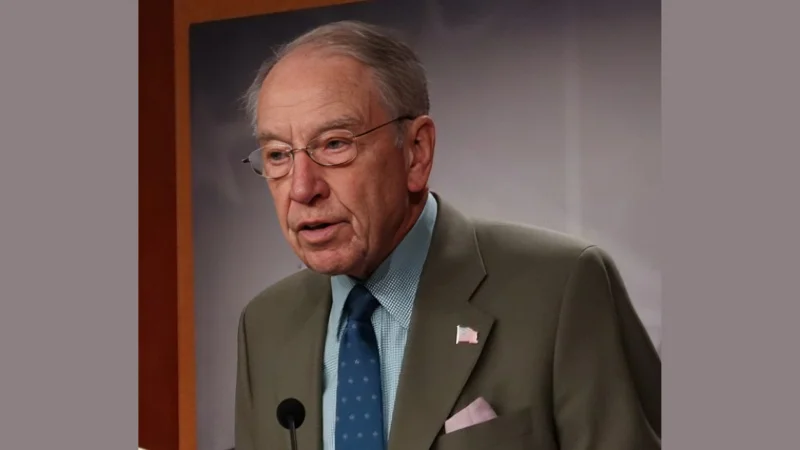
According to materials made available by Chairman Chuck Grassley, Arctic Frost was an internal codename for a broad federal inquiry into efforts to challenge the results of the 2020 election. Under Smith’s direction, at least 197 grand jury subpoenas were issued as part of an effort that sought information from more than 400 individuals, organizations, and lawmakers involved in post-election activities. The investigation included an intrusive probe into Kash Patel—then a private citizen—by subpoenaing Verizon for several years’ worth of his phone records including metadata such as contacts, call times, residential addresses, email addresses, IP data, usernames, screen names and payment information like credit card numbers linked to his account.
Court-authorized gag orders reportedly prevented Verizon from notifying Patel about these requests for up to a year. As described in Senate materials cited by Grassley’s office: “So here we have raw, unaccountable surveillance of an American citizen that went unimpeded for years.”
Senate investigators also said prosecutors considered seeking communications records from additional individuals including members of Congress and staff. Some telecommunications providers reportedly raised constitutional concerns related to legislative protections under the Speech or Debate Clause.
The Senate Judiciary Committee plays a central role in reviewing legislation affecting constitutional rights and overseeing federal law enforcement agencies according to its official website. It is led by a chair who oversees meetings with senators from both major parties serving as members. The committee exerts influence on judicial matters across the nation from its base in Washington D.C., serving as one of several standing committees with authority over legal issues within the U.S. Senate.
As debate continues regarding appropriate limits on investigative powers and respect for privacy rights under the Fourth Amendment: “No American should accept actions that undermine the rule of law,” according to documents released by Chairman Grassley.