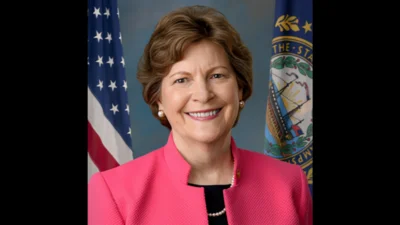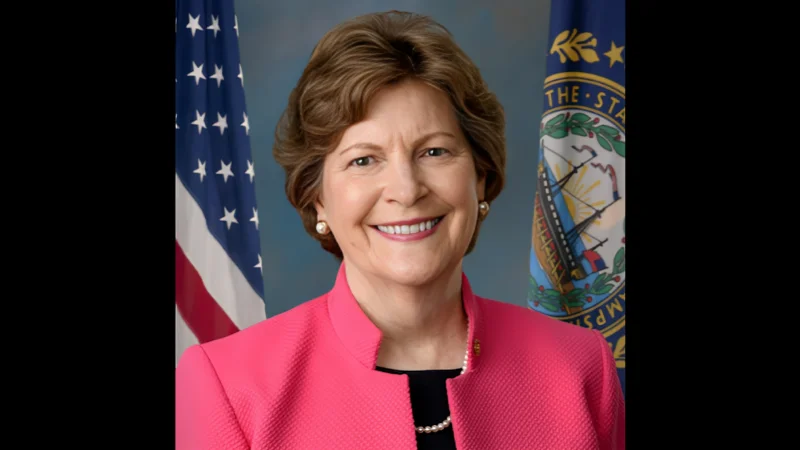
U.S. Senator Jeanne Shaheen, Ranking Member of the Senate Foreign Relations Committee, released a statement on May 1 marking sixty days since President Trump began military action against Iran. Under the War Powers Act, this period is significant because it requires the president to either end hostilities or seek further authorization from Congress.
The issue is important as it highlights questions about executive authority in foreign policy and the costs of ongoing conflict for American citizens. The Senate Foreign Relations Committee plays a central role in shaping U.S. foreign policy by examining treaties and legislation, according to the official website.
Shaheen said, “Sixty days since President Trump launched his war with Iran, the American people are worse off, and his stated objectives remain unmet. The Administration has failed to justify to the American people or Congress why we are engaged in this conflict. President Trump suggested this war would lead to the fall of the Iranian regime. Instead, the regime remains in power, but now with a more hardline leader and an empowered Revolutionary Guard Corps. The President claimed military force would eliminate Iran’s nuclear threat, yet there has been no evidence that Iran’s nuclear capabilities have been diminished, and this conflict may have only increased Tehran’s incentive to pursue a weapon. He argued this war would make Americans safer, but Iran retains significant missile and drone capabilities and now has seized the opportunity to massively disrupt global commerce through its control of the Strait of Hormuz.”
She continued: “Meanwhile, Americans are paying the price. Thirteen U.S. service members have been killed and many more wounded, with tens of thousands of Americans in the Middle East still in harm’s way. Gas and diesel prices have skyrocketed, burdening American families with an estimated $30 billion in increased costs. The Pentagon acknowledges that this war is costing taxpayers tens of billions at a moment when the Administration is slashing funding for health care and education. President Trump has driven up prices across the country, squeezing household budgets with increased energy bills, shipping costs and grocery prices.”
The Senate Foreign Relations Committee was established in 1816 as one of the original standing committees of the Senate according to its official history according to its official website. It operates as a legislative body focused on international relations according to its official website, designating its Chairman for majority leadership roles while appointing its Ranking Member—currently Shaheen—to lead minority members as detailed on its membership page.
Throughout history it has played key roles such as supporting measures like Truman Doctrine (1947) or Marshall Plan (1948) per committee records, as well as rejecting major treaties like Versailles after World War I as noted by committee historians.
Shaheen concluded her statement by saying: “After sixty days of conflict, President Trump still does not have a strategy or way out for this poorly planned war. Americans want a lasting end to this conflict. They want lower prices at home. They want peace and prosperity. In short, they want what the President promised. It’s time the Administration pursue a serious diplomatic path forward.”