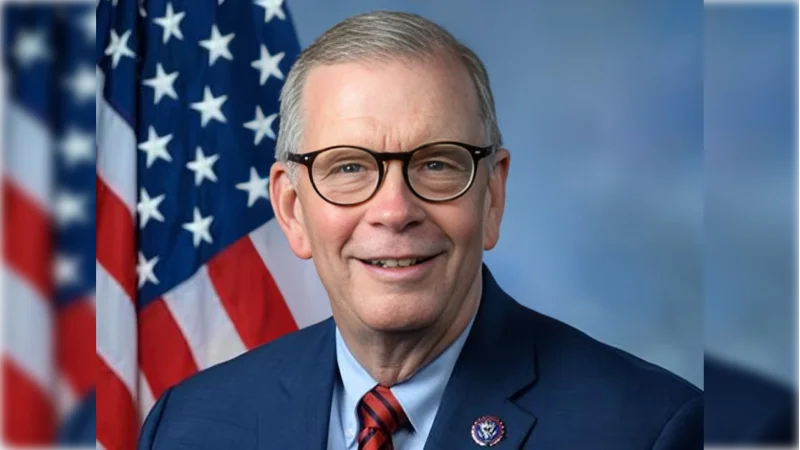
Workforce Protections Subcommittee Chairman Ryan Mackenzie said on Apr. 15 that artificial intelligence is already changing the economy and the way people work, as he opened the sixth hearing in a series titled "Building an AI-Ready America: Understanding AI's Economic Impact on Workers and Employers."
The topic is important because AI is affecting productivity, decision-making, and competitiveness across all major industries. The House Education and Workforce Committee manages federal programs concerning education, labor, health, and workforce development, according to the official website.
Mackenzie said that small businesses are at the center of this technological transformation because they are quickly adopting AI tools to improve efficiency and compete with larger companies. He noted that "according to the Small Business Administration, employers with fewer than 20 workers expect AI to increase their hiring needs, not reduce them." Mackenzie also said Congress needs better information about how AI affects both employees and employers before creating new laws: "Better data will lead to better policy—supporting responsible AI development and adoption while protecting the public."
He addressed concerns about different states creating their own regulations around privacy, discrimination, and other workforce issues related to AI. Mackenzie said this could create a patchwork of inconsistent rules that may raise costs for businesses operating in multiple states: "For businesses that operate across state lines, navigating conflicting regulations can create challenges. This is especially true for small businesses." He also pointed out international competition in developing artificial intelligence technology.
The House Education and Workforce Committee influences policy on issues such as student loans and worker protections according to its official website. The committee serves in the legislative sector with jurisdiction over education and labor matters.
Mackenzie concluded by saying: "With policies that strike the right balance between innovation and accountability, the United States can build a strong and positive future for American workers and employers."