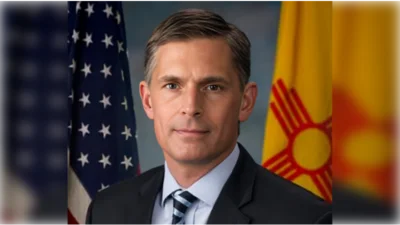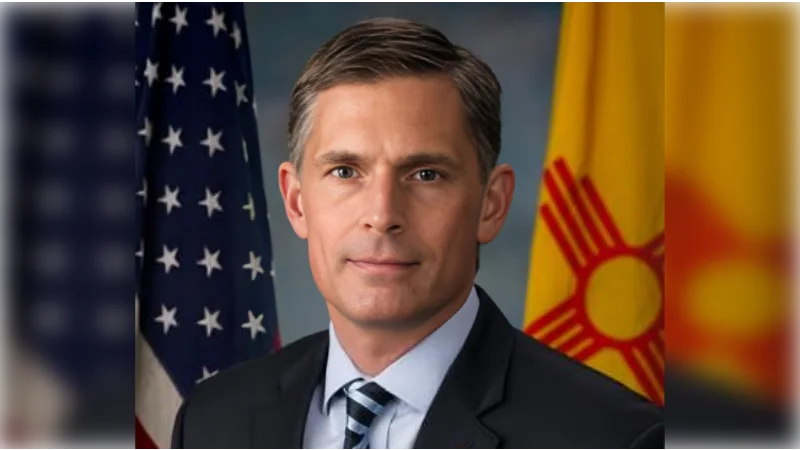
U.S. Senator Martin Heinrich, Ranking Member of the Senate Energy and Natural Resources Committee, said on Apr. 16 that the Senate's passage of H. J. Res 140 will allow copper-nickel sulfide mining in the watershed of the Boundary Waters Canoe Area Wilderness (BWCAW), opening millions of acres to potential pollution.
The decision is significant because it affects one of the largest protected wilderness areas in the United States and raises concerns about environmental protection and public land use.
Heinrich criticized both the process and outcome, saying, "These are the places on which we have forged our collective identity as a country. They're the places we are still free. They are not places to sell off to some foreign company for a few years of profit — a few years versus a century of identity for the people of Minnesota and this country." He added, "This is a dark day for this body. This is a stain on what the Senate used to be, but certainly is not today."
Heinrich also highlighted bipartisan support among his constituents for protecting public lands: "Public lands are the one thing when I go home that unites my constituents from left to right, whether you're a bow hunter or a bunny hugger — it doesn't matter. [People] love our public lands. They care about our public lands. There are many places that we can mine and do it right. This isn’t one of them." In his floor speech, he questioned why Congress would overturn protections established by secretarial order under federal law.
Heinrich warned about possible environmental damage: "20% of the National Forest Service systems' fresh water is in these Boundary Waters. And we're going to pollute that with sulfuric acid? This company plans to dump millions of tons of waste rock on this site that will never be removed...this type of copper mining has never been done without polluting the water." He further stated that such actions could set dangerous precedents affecting other states like Montana or Alaska.
Looking ahead, Heinrich called attention to broader implications: "They're not places to sell off to some foreign company for a few years of profit...This is wrong." He concluded by reiterating his belief in protecting public lands for future generations.