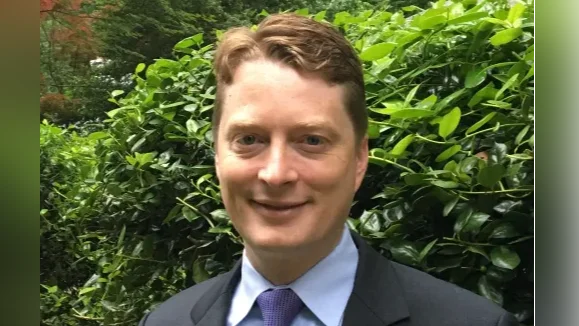
Ryan Hass | Director at John L. Thornton China Center | The Brookings Institution website
Two scholars have examined the ongoing diplomatic tensions between China and Japan following Japanese Prime Minister Sanae Takaichi's comments about Taiwan, according to a May 5 statement. The exchange, published as part of the Brookings Institution's 'Lost in translation: Decoding Chinese strategic narratives' series, presents parallel analyses from Professor Akio Takahara of Japan and Professor Ren Xiao of China.
The issue is significant due to its potential impact on regional stability and the relationship between two major Asian powers. Both scholars point to deep-seated perception gaps and historical sensitivities that complicate efforts at reconciliation.
Takahara said, "Some say the current state of Japan-China relations is at its worst since their normalization in 1972." He argued that China's response stems from a misinterpretation of Takaichi’s remarks: "She did not say that Japan would exercise its right of collective self-defense and protect Taiwan. She said the use of force in 'survival-threatening situations' is restricted... intended exclusively for the protection of Japan." Takahara also noted, "China then started to cancel almost all the exchanges with the Japanese side... The refusal of communication is at an unprecedented level."
Ren Xiao offered a different perspective, saying, "China’s strong reactions are understandable. For Beijing, the Taiwan question is the core of China’s core interests... Beijing must react strongly." He highlighted how past incidents—such as disputes over islands or official visits—have repeatedly strained relations: "This has repeated again and again over the past four decades." Ren added that indicators for improvement could include meetings between leaders at upcoming international summits.
Both experts called for increased dialogue. Takahara said he was encouraged by Ren's support for more exchanges: "The Japanese and the Chinese should have dialogues at all levels to exchange views... so that they understand why the other side is thinking differently." Ren replied, "I hope people in Japan become more sophisticated when they deal with issues related to China," citing unresolved historical grievances as ongoing obstacles.
The John L. Thornton China Center organized this discussion as part of its work producing independent analyses on U.S.-China ties and China's domestic evolution according to the official website. The center specializes in research related to international relations and collaborates with institutions such as Tsinghua University for joint events.
Looking ahead, both professors agree that repairing ties will require time, careful diplomacy, and greater mutual understanding.