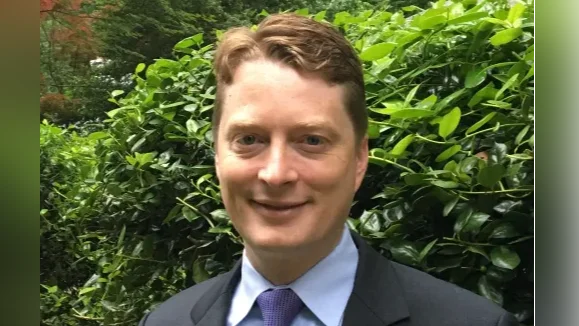
Ryan Hass | Director at John L. Thornton China Center | The Brookings Institution website
President Donald Trump will meet with President Xi Jinping in Beijing on May 14-15, as announced in a recent commentary from the Brookings Institution. Experts from the John L. Thornton China Center at Brookings shared their perspectives on what to expect from the summit and how its outcomes may affect U.S.-China relations.
The meeting is significant because it comes at a time of fragile stability between the two countries. According to Jonathan Czin, "Outside observers should have low expectations for the upcoming summit between Trump and Xi. While the relationship has stabilized since the two leaders met last November, it remains fragile—defined more by an absence of friction than any affirmative agenda or deep dialogue on the substantial differences that bedevil the relationship." Czin said that limited bureaucratic preparation reduces prospects for progress, and both sides may be waiting for greater concessions later in Trump's term.
Ryan Hass said, "A key lesson from 2025 for Trump and Xi was that they both could harm the other, but not without inviting painful retaliation." He added that both leaders agreed to a trade war truce last year and are likely focused now on maintaining stability rather than seeking major breakthroughs. Hass also noted potential announcements regarding Chinese purchases of American products and new mechanisms such as a bilateral “Board of Trade.”
Susan A. Thornton emphasized communication: "For Americans, the most significant result from Trump’s upcoming visit to Beijing will be that it happened." She highlighted increased mistrust since COVID-19 and reduced high-level contacts between Washington and Beijing: "Presidential-level communication is currently the only guardrail in U.S.-China relations; we need this channel to stop miscalculation from leading to conflict."
Other experts addressed sector-specific concerns expected at or around the summit. Kyle Chan discussed artificial intelligence competition: "And yet, the United States and China hardly talk about AI... But ideally, both leaders can also take steps toward working together in areas of shared interest." Yingyi Ma described an emerging “AI cold war” focused on talent retention rather than technology theft alone.
Vanda Felbab-Brown noted ongoing tensions over fentanyl precursors: "Fentanyl and synthetic opioid precursors remain a significant issue in U.S.-China relations, but the Trump administration has weakened its leverage." She cited diplomatic challenges following changes in tariff policy enforcement by U.S. courts.
Richard C. Bush addressed uncertainty over Taiwan's role at this summit: "I have no idea how the Xi-Trump summit will affect Taiwan... For outside observers... looking for intensive summit preparations regarding Taiwan or any other issue, they are not readily apparent." Scott M. Moore explained how energy security linked to Middle East conflicts could influence discussions about Chinese energy imports.
Michael E. O'Hanlon concluded with strategic advice: "He should maintain a positive overall tone while disagreeing specifically and firmly on key issues where Beijing’s policies warrant pushback... This approach—strong disagreement on specific issues, but mutual respect... maximizes chances of constructive engagement while minimizing risks of war.”
The John L. Thornton China Center is part of Brookings Institution; it produces independent analyses related to U.S.-China ties through research publications and events according to its official website.