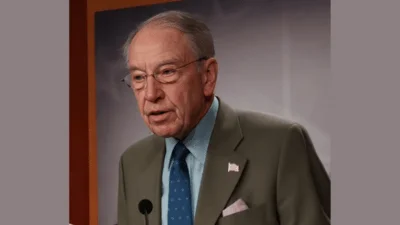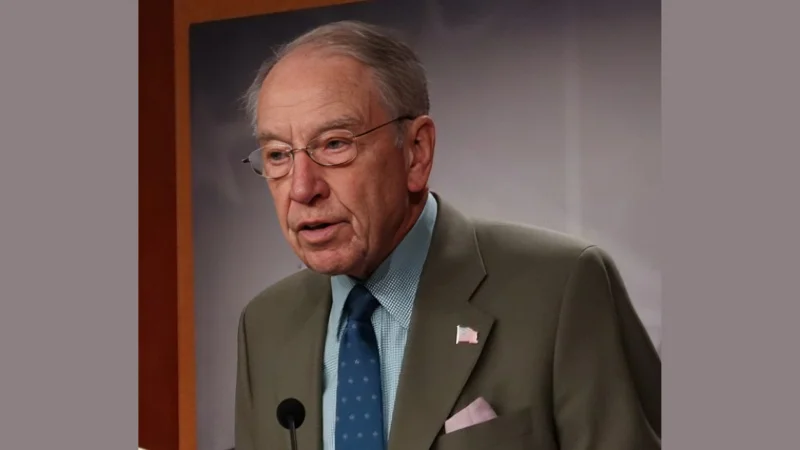
U.S. Senate Judiciary Committee Chairman Chuck Grassley announced on May 5 the release of a Government Accountability Office (GAO) report examining sexual abuse in federal prisons. The report, which Grassley requested, found that approximately 8,500 allegations of sexual abuse were reported from 2014 to 2022 and highlighted shortcomings in current oversight and reporting mechanisms.
The findings matter because they suggest that existing safeguards under the Prison Rape Elimination Act (PREA) and Department of Justice (DOJ) standards may not be sufficient to prevent or address ongoing sexual abuse within federal correctional facilities. The issue affects both inmates and employees across the country, with implications for public safety and constitutional protections according to the official website of the Senate Judiciary Committee.
Grassley said, “Sexual assault should never occur in taxpayer-funded federal corrections facilities. I was proud to support the landmark Prison Rape Elimination Act and welcomed DOJ’s publication of its national standards in 2012. However, it’s clear more needs to be done to end the scourge of sexual assault in our federal prison system. I implore the Department of Justice and the Bureau of Prisons to take GAO’s recommendations to heart, and work to ensure a safer environment for both inmates and employees.”
The GAO found over 200 substantiated reports where another prisoner was identified as perpetrator, as well as over 350 cases involving Bureau of Prisons (BOP) employees. It also reported that PREA audits focus on compliance rather than detecting ongoing abuse; BOP does not consistently analyze facility-level data for trends or publish uniform annual data distinguishing between inmate-initiated versus staff-initiated incidents; additional assessments have been implemented only at women’s facilities so far; and challenges remain around knowledge gaps, fear of retaliation among inmates reporting abuse, staffing shortages, lengthy investigations into employee-related allegations, outdated policies since 2012, and false claims.
The GAO recommended several actions for DOJ: improve PREA audits’ ability to detect ongoing abuse; assess contracting risks related to audit accuracy; give auditors better access to documentation; analyze PREA data for actionable trends; publish clearer statistics about perpetrators; include men’s facilities in cultural assessments; and update national standards reflecting advances since their last revision.
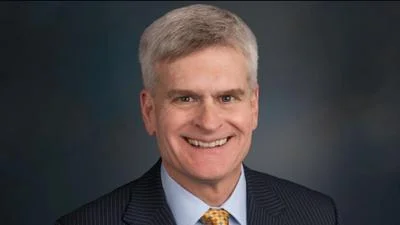
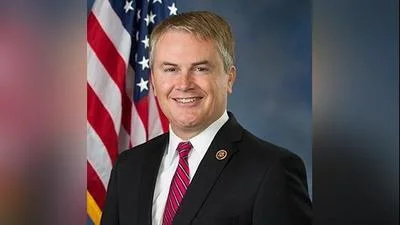
Several lawmakers joined Grassley's request for this review as part of broader oversight efforts into conditions within U.S. correctional institutions—a responsibility held by committees such as the Senate Judiciary Committee which influences civil rights policy through legislative duties according to its official website. Broader implications include renewed scrutiny on how agencies uphold zero-tolerance policies against sexual misconduct behind bars.