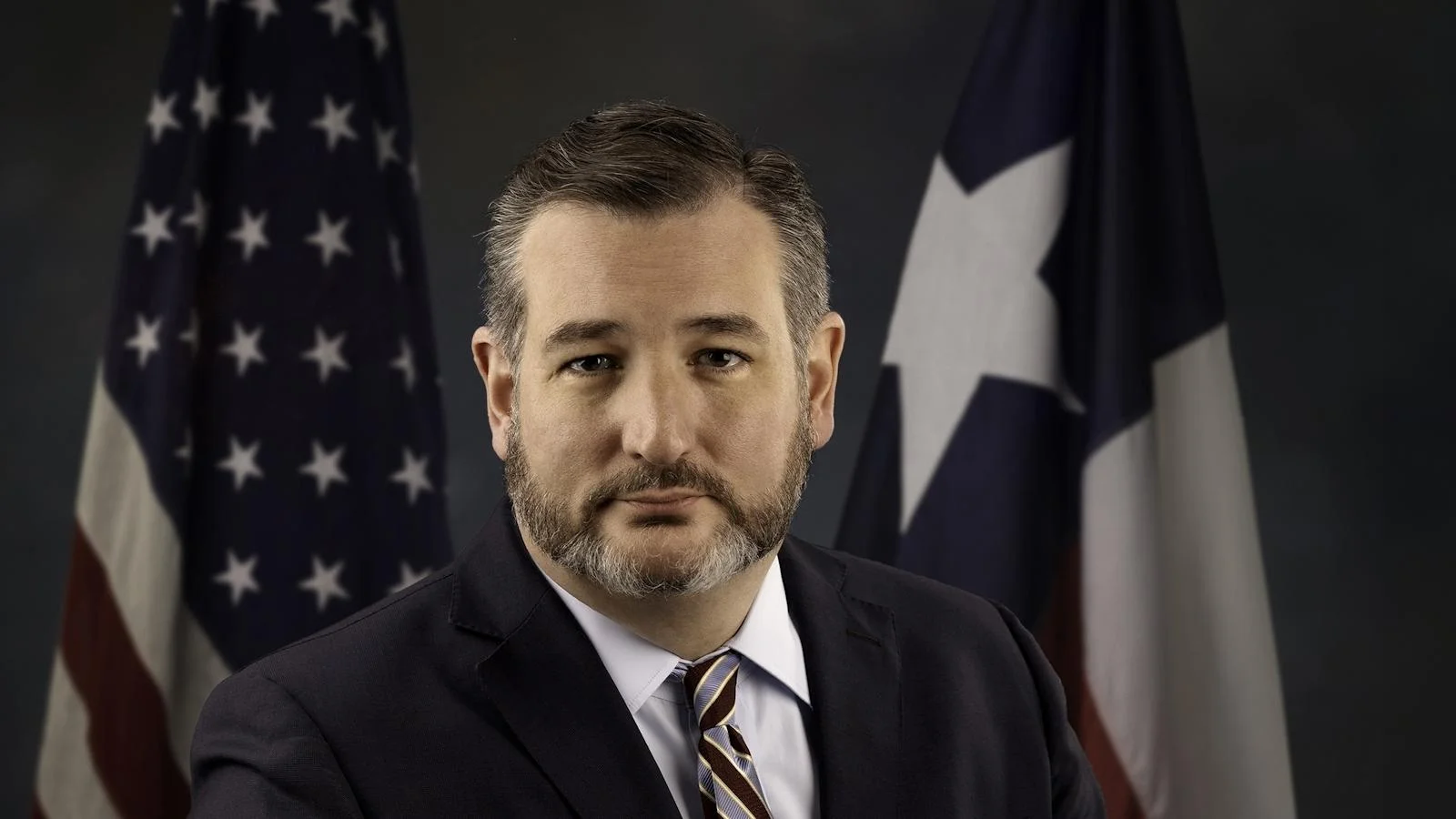
In a Senate Commerce Subcommittee on Telecommunications and Media hearing titled “Signal Under Siege: Defending America’s Communications Networks,” Chairman Ted Cruz (R-Texas) highlighted the growing threat of cyberattacks against U.S. communications infrastructure. Cruz warned that adversaries are increasingly using cyber means to steal intellectual property, gather intelligence, and disrupt essential services.
Cruz noted that the emergence of artificial intelligence has empowered both attacks and defenses in network security, making 2025 a significant year for cybersecurity challenges. He referenced incidents such as Salt Typhoon and SIM farms discovered near the United Nations headquarters in New York as recent examples of persistent threats.
“There is no single, silver-bullet solution to address cybersecurity. Protecting America’s communications networks is a complex undertaking that demands continued vigilance and cannot be reduced to rote box-ticking,” Cruz said during his prepared remarks.
He cautioned against excessive regulation, arguing it could stifle innovation: “Our challenge, therefore, is to secure communications infrastructure effectively without creating excessive and useless regulation that stifles the very innovation that gives us our competitive edge.”
Cruz praised FCC Chairman Brendan Carr for rescinding a January 2025 Declaratory Ruling from the Biden administration, which he described as an attempt to impose new cybersecurity mandates through outdated legal frameworks. “Chairman Carr’s decision to shift away from ineffective and burdensome requirements is consistent with both the Commission’s legal authority and sound policy,” Cruz stated.
He argued that compliance-focused regulatory regimes can divert resources from real-world threat response and create legal risks that discourage information-sharing when quick action is needed. Instead, Cruz advocated for stronger partnerships between government agencies and private companies to anticipate future attacks rather than just respond to past ones.
Cruz also cited progress made by the committee in securing funding for the Rip and Replace program, which aims to remove Huawei and ZTE equipment from U.S. networks. He pointed out similar efforts in protecting GPS systems through legislation like the National Timing Resilience and Security Act, noting ongoing development of alternative positioning systems by at least 50 companies identified by NTIA.
“Today’s hearing is an opportunity to assess the current threat landscape, identify where our defenses fall short, and explore how the federal government and the private sector together can better protect America’s communications infrastructure from both foreign and domestic threats,” Cruz concluded.