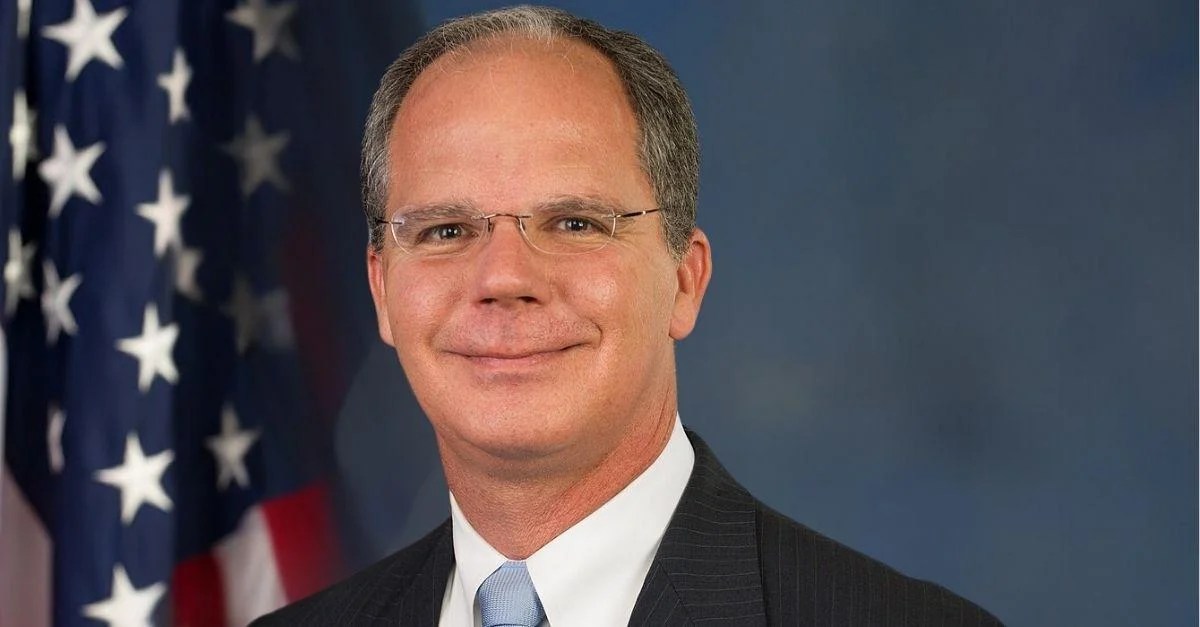
Early Childhood, Elementary, and Secondary Education Subcommittee Chairman Kevin Kiley (R-CA) addressed concerns regarding student privacy and parental rights during a hearing titled "Safeguarding Student Privacy and Parental Rights: A Review of FERPA and PPRA."
In his opening statement, Kiley emphasized the importance of parental involvement in education. "Research consistently shows that when parents are engaged, students do better —academically, socially, mentally. The Supreme Court likewise has affirmed the vital role parents play in raising and guiding their children," he said.
Kiley highlighted two federal laws enacted to protect these rights: the Family Educational Rights and Privacy Act (FERPA), which provides parents with access to their child's education records and restricts improper disclosure to third parties; and the Protection of Pupil Rights Amendment (PPRA), which requires parental consent for student participation in certain surveys or evaluations on sensitive topics. He noted that PPRA also mandates public schools to make curriculum materials available for parental review.
The chairman expressed concern that some school districts are not complying with these laws. Citing data from Defending Education, Kiley stated that as of earlier this year, over 1,200 school districts serving more than 12 million students have policies allowing or requiring staff to withhold information such as a student's chosen name or gender identity from parents. He added, "In some cases, districts are creating 'dummy files' on students for the specific purpose of deceiving parents on these matters."
Kiley also pointed out challenges faced by parents attempting to access curriculum materials. "Some school districts evade obligations under PPRA by forcing parents to pay fees to review curriculum under state or federal freedom of information laws," he said. Additionally, he warned that increased use of educational technology may pose risks if proper safeguards for student information are not maintained.
He clarified that the discussion was not focused on situations involving child safety risks but rather on supporting children by respecting parental rights: "Existing state and federal laws, along with mandatory-reporting requirements for educators, already address those issues. Rather, the issue before us is about how best to protect and support children by respecting the rights of parents."
Kiley called for bipartisan cooperation on this matter: "This shouldn’t be a partisan issue. FERPA and PPRA were enacted decades ago with strong bipartisan support because Members of both parties believed in the central role of parental engagement when it comes to a child’s education and well-being. I hope through this hearing we can return to that consensus—recognizing that transparency and partnership with parents are essential. And that keeping parents in the dark is wrong."
He concluded by stating his anticipation for witness testimony regarding how FERPA and PPRA are functioning in schools today.