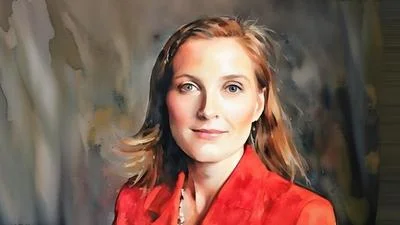
Governments are searching for ways to promote health and safety involving sports betting, alcohol guidelines, and nicotine, while voters worry about overreach and personal freedom. Guy Bentley, director of Consumer Freedom at the Reason Foundation, says these efforts reflect a nanny state that avoids tough issues while pushing adults toward underground markets.
According to Bentley, lawmakers pass lifestyle regulations because real problems are politically painful. “Entitlement reform, defense, AI … it’s too damn hard,” he says. “So it’s a much easier opportunity to grandstand, make you feel like you’re doing some good, but it just makes all of our lives a little bit worse by preventing us from doing the things we want to do.”
Bentley sees that pattern in a global “neo-temperance” movement that urges governments to warn that any alcohol consumption is unsafe. “A small group of academics are desperately trying to put forth the idea that moderate alcohol consumption is, in fact, actively unhealthy,” he says. He points instead to decades of research showing “moderate drinkers actually live longer than people who don’t drink at all,” while heavy drinking remains the danger.
He says prohibitionist thinking also clouds debates on sports betting. For decades Americans wagered through offshore sites and local bookies. Bentley says legalization replaces secrecy with oversight. “Sports betting has been legal in Europe for eons,” he says, and regulated markets can use “sports integrity monitors to detect suspicious betting patterns.” Corruption existed long before legalization, he argues, but legal markets “give some extra measure of protection to make sure we can try and see the games aren’t fixed.”
Concerns about gambling addiction do not match long-term data, according to Bentley. He cites research showing that “even with an unprecedented rise in opportunities to gamble the gambling addiction rate remained remarkably stable.” He points to China—where gambling is mostly illegal—as a cautionary example. “It has the highest rate of gambling addiction in the world,” he says.
Nicotine policy, he argues, is similar. Smoking among teenagers has fallen to low levels, and the legal tobacco age is now 21. Instead of declaring victory, regulators have shifted to restricting safer alternatives such as nicotine pouches. Rhode Island’s proposed 80 percent tax on pouches, he says, punishes harm reduction. “This is the safest kind of nicotine you can use,” he says. “All that’s going to do is disincentivize people from switching from the most dangerous kind of nicotine, which is smoking.”
According to Bentley, nicotine is addictive but not the lethal component of cigarettes. “It’s not the nicotine that kills smokers, it’s the smoking,” he says, quoting researcher Michael Russell’s line that “people smoke for the nicotine, but they die from the tar.” He believes safer products should be encouraged, not taxed out of reach.
The most sweeping proposals appear in Massachusetts, where some localities have adopted “nicotine-free generation” laws that permanently ban anyone born after a certain date from buying any nicotine product. “Imagine you’re suddenly a 30-year-old who wants to get a cigar for a friend’s wedding and has to ask a 32-year-old to buy it,” he says. He warns that these laws amount to slow-motion prohibition and will backfire. “If we try and criminalize markets for which there’s significant demand, it’s going to be a disaster in terms of a black market.”
He sees a common thread across these debates: once advocacy networks achieve their original goals, they expand their missions instead of closing them. “Now they’ve expanded the definition of what they want to do,” he says.
The result, in his view, is growing pressure to police harmless behavior while ignoring harder policy challenges. “We should be entering an age where people who want to use nicotine can do so without a 50 percent chance of dying of a smoking-related disease,” Bentley says. “There’s no shortage of real problems. We don’t need to manufacture new ones by banning what people are going to do anyway.”