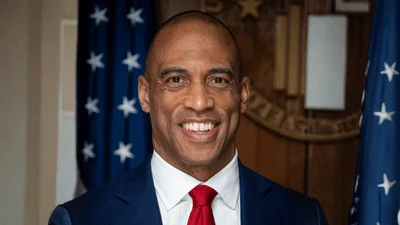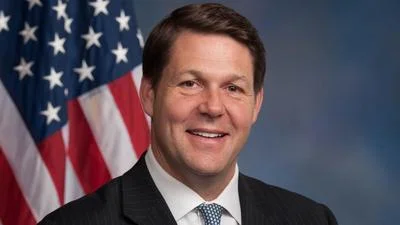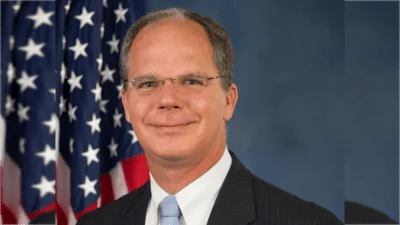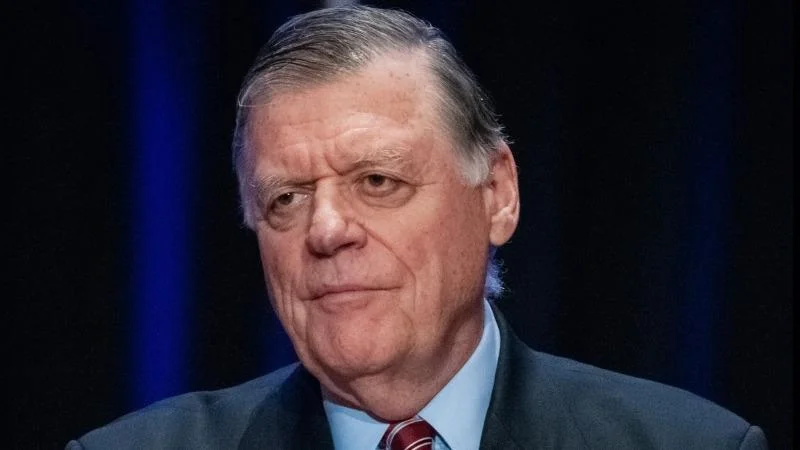
The House Committee on Appropriations has completed the initial stages of the fiscal year 2026 (FY26) funding process, reporting all twelve annual appropriations bills out of committee before the holiday recess. The committee announced, “For twelve steady days, we toiled with great care, unwrapping the FY26 process, our progress laid bare. From hearings and markups to bills moving through, each step of appropriations was opened to review. With all twelve full-year bills reported out of the committee on cue, Article I moved us forward – good governance in view. Fiscal responsibility, accountability, and oversight guides each day, serving the American people every step of the way. So, with our holiday countdown finished and the tree shining bright – Merry Christmas from House Appropriations, and to all a good night!”
The appropriations process is built around twelve full-year spending bills that determine funding for federal programs and ensure oversight over taxpayer dollars. This year’s milestone saw all twelve bills reported from committee. According to the committee: “We crafted bills that strengthen national security, support key programs, and uphold fiscal responsibility.”
A key component of this process is bill markup—bipartisan sessions where members debate and amend draft legislation line by line. The committee noted an increase in markup activity this cycle: “We completed over 91 hours of markups – a 160% increase from FY25 – bringing good tidings of assessment.”
Discretionary spending—about one-third of federal expenditures—is set annually by Congress through these appropriations bills. The remaining two-thirds are mandatory programs like Social Security and Medicare funded automatically by law.
Subcommittee chairs—referred to as “Cardinals”—play a central role in crafting individual funding measures across areas such as national security, agriculture, infrastructure, and energy.
Once both chambers have passed their versions of each bill, conference committees reconcile differences to produce final legislation for enactment. This year marked the first time since fiscal year 2019 that House Appropriations Conferees were named.
The constitutional authority for congressional control over federal spending is rooted in Article I; Section 9; Clause 7: “no money can be drawn from the Treasury without a law passed by Congress.” As stated by the committee: “Each appropriations bill is a constitutional exercise in setting priorities, maintaining oversight, and directing resources where they are needed most.”
Shutdowns remain a concern due to their disruptive effects on government services and workers’ paychecks. The release highlighted bipartisan efforts within Congress to keep government operations running.
A critical part of annual budgeting is setting subcommittee allocations (known as 302(b) allocations), which define how much each subcommittee can spend under overall discretionary limits.
Community Project Funding (CPF) allows lawmakers to direct limited funds toward local projects with strict transparency requirements—a process managed according to official guidance from the House Committee on Appropriations.
The committee emphasized its return to regular order—a transparent legislative approach—as opposed to omnibus packages combining multiple measures at once.
Oversight begins early in the process with public hearings where agencies present budget requests and justify spending needs before lawmakers draft funding levels.
So far for FY26 three appropriations measures—the Military Construction–VA; Legislative Branch; and Agriculture–FDA bills—have been signed into law by President Trump.
Established in 1865 when financial duties were separated from Ways and Means,the House Committee on Appropriations manages federal spending through its leadership team—including Chairman Tom Cole—and twelve specialized subcommittees (source). Notable current members include Harold Rogers (Republican) and Steny Hoyer (Democrat).
As summarized by the committee: “As Appropriations Advent draws to a close, we reflect with gratitude and cheer – on the work accomplished on behalf of the American people and the progress entrusted to us year to year.”