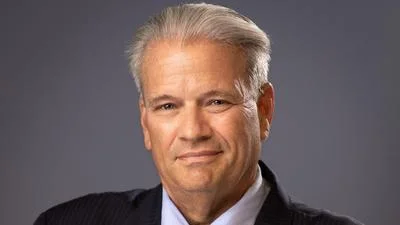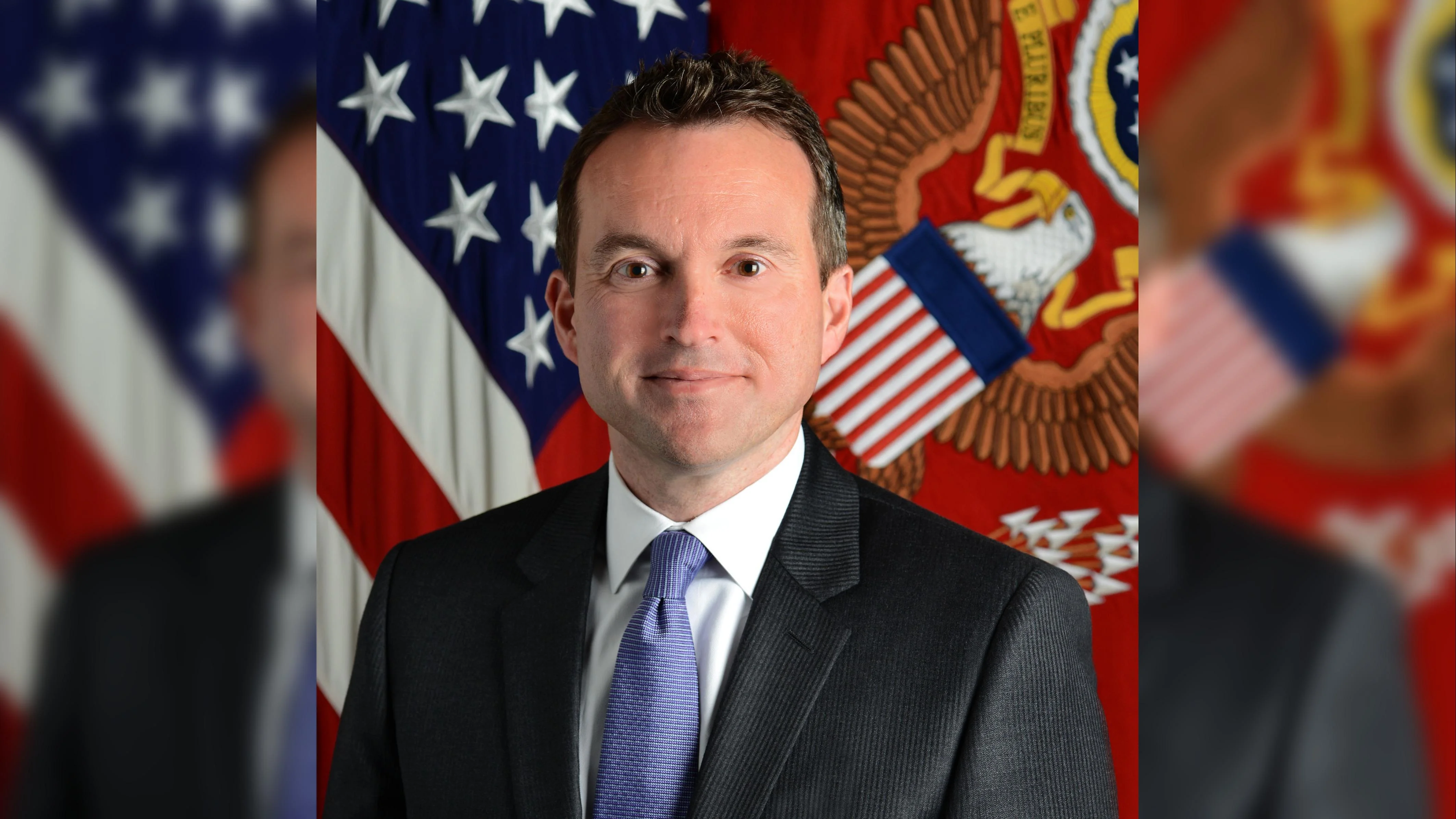
The Aerospace Industries Association (AIA) has outlined its legislative priorities for 2026 in a letter sent to congressional leaders. Eric Fanning, President and CEO of AIA, emphasized the importance of collaboration between the industry and lawmakers as Congress reconvenes.
“The Aerospace Industries Association is committed to working with Congress to reinforce the strength and resilience of America’s aerospace and defense industry,” Fanning stated. “As lawmakers return from recess, we are focused on advancing key legislative priorities for 2026: securing stable, predictable federal funding; modernizing defense and commercial systems; and reauthorizing the critical agencies that underpin our industry. These actions are vital to U.S. national security, to sustaining millions of high-skill American jobs, and to maintaining U.S. leadership in aerospace and defense. Congress must move these priorities forward to provide the certainty and direction our industry — and the nation — depend on.”
In his letter addressed to Speaker Johnson, Majority Leader Thune, Democratic Leader Schumer, and Democratic Leader Jeffries, Fanning highlighted several areas requiring attention from Congress during the second session of the 119th Congress.
Fanning called for stable federal funding by urging Congress to avoid long-term continuing resolutions in favor of timely appropriations. He said that consistent investment allows companies in the sector to build capacity, expand their workforce, and meet delivery schedules.
He also pointed out recent reforms in defense acquisition through the FY2026 National Defense Authorization Act (NDAA), noting efforts made by Congress to reduce bureaucracy and speed up contracting processes. Fanning suggested further reforms could benefit both established partners and new entrants within the defense industrial base.
On commercial aviation safety, Fanning cited rapid growth in demand and technology as reasons for continued congressional support for Federal Aviation Administration (FAA) programs. He urged investment in certification reform, research development, workforce initiatives, and infrastructure upgrades.
Addressing space capabilities, Fanning referenced America’s upcoming lunar mission as an example of sector growth. He asked Congress to sustain civil space requirements through appropriate appropriations levels for FY2027 and stressed the need for legislation reauthorizing NASA along with support for national security space programs such as those involving the U.S. Space Force.
Modernizing defense trade was another priority mentioned by Fanning. He highlighted international partnerships like AUKUS as important steps toward strengthening U.S. capabilities while supporting domestic jobs. He advocated for ongoing improvements in global trade policies to foster innovation and resilient supply chains.
Finally, he called on Congress to reauthorize key agencies such as the Export-Import Bank of the United States, Small Business Innovation Research programs, Terrorism Risk Insurance Act, and Defense Production Act—programs seen as crucial for sustaining manufacturing growth within aerospace.
Fanning concluded his letter by expressing appreciation for congressional attention on these issues: “We appreciate your attention to these issues and look forward to continuing to work with you to strengthen our national security, enhance aviation safety, and encourage the next generation of space innovation.”
The AIA operates across various aspects of aerospace policy including national security initiatives and economic expansion. The association supports diversity efforts to improve representation within its member organizations. Its advocacy extends internationally through promoting business ethics and compliance standards. Additionally, AIA provides networking opportunities via councils and access to over 1,400 industry standards, supporting manufacturers and suppliers throughout the sector according to its official website.