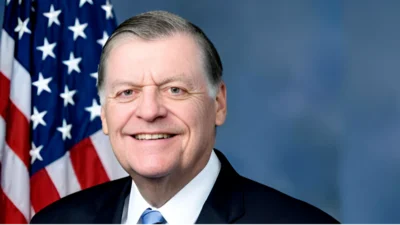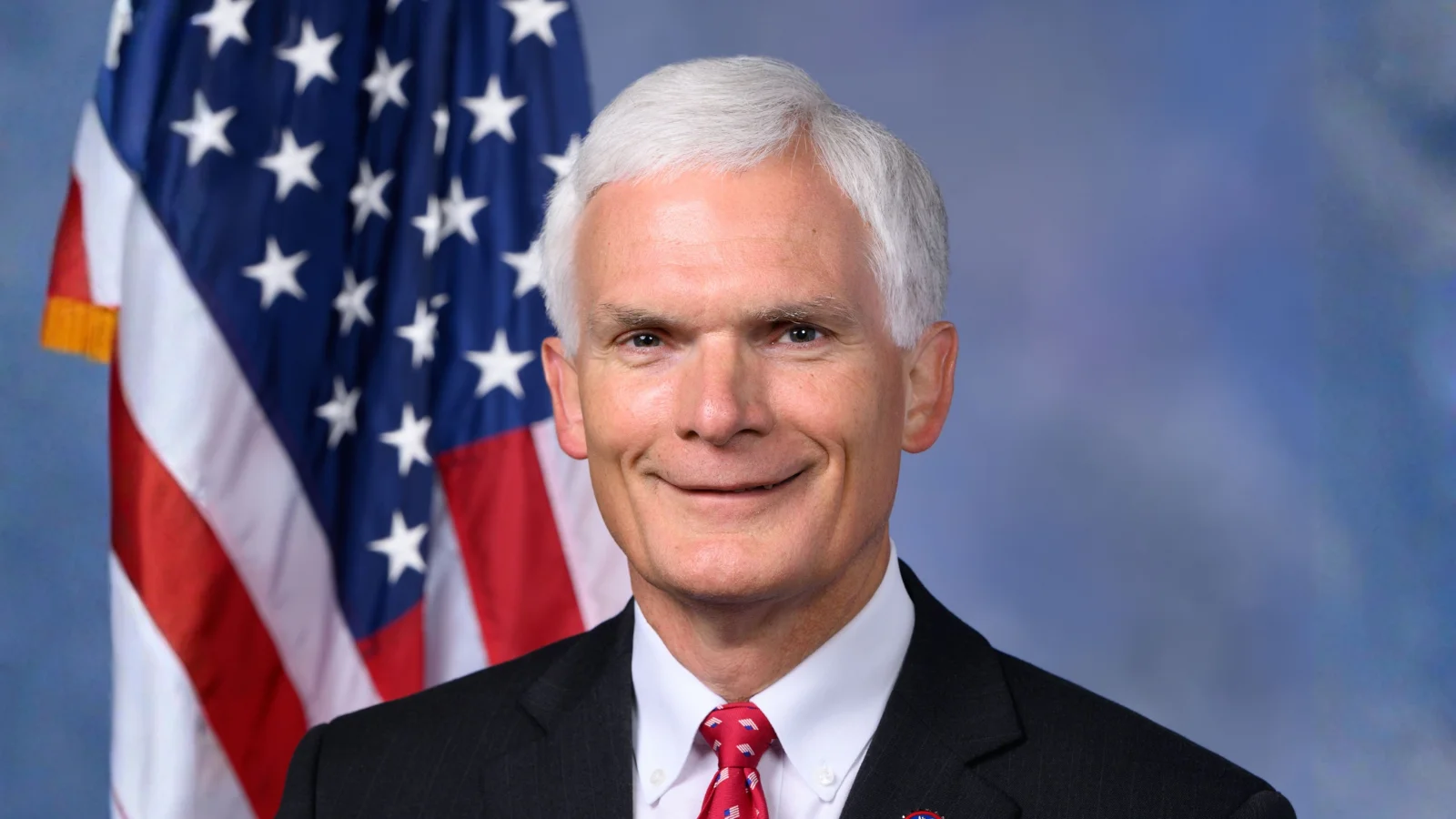
Congressman Bob Latta, Chairman of the Subcommittee on Energy, led a hearing on Mar. 17 focused on the impact of Winter Storm Fern and the challenges of supplying reliable power during peak demand periods.
The hearing addressed concerns about grid reliability as severe weather events become more common and energy demands increase. Members discussed how infrastructure limitations and policy decisions affect the ability to deliver consistent electricity to Americans.
Latta said, “In spite of generous subsidies and favorable public policy choices, intermittent resources were nowhere to be found when New England needed power the most. Because limited gas pipeline capacity in the New England region restricts supply and raises prices, power plants had to opt for more expensive and less efficient fuel oil. The lessons of Winter Storm Fern should illustrate that common sense must rule the day. American energy dominance and independence must be achieved so we can keep our communities safe at home.”
Congresswoman Mariannette Miller-Meeks stated, “The lesson from Winter Storm Fern is that we’re asking more of the grid in every region and increasingly relying on emergency tools and extraordinary coordination to navigate conditions that are becoming more common, not rarer. At the same time, we’ve layered on emergency orders, special directives, and broad must-run orders that, in some regions, effectively over-procure generation and crash prices. Those tools helped us through Fern, but they’re not a sustainable business model for a grid that’s about to serve even larger loads. Data centers, advanced manufacturing, and electrification across many levels of our economy are driving demand up quickly. Yet building the infrastructure to serve that demand... takes years longer than it should. Not because the technology is unproven, but because our permitting pathways are slow, fragmented, and unpredictable.”
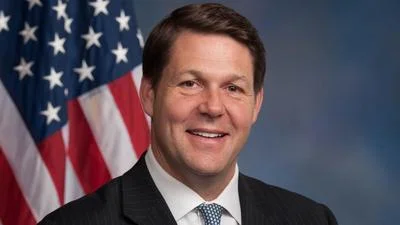
Congressman Russell Fry said reliable energy is essential for modern life: “Yet power outages cost the American people $44 billion each year. Winter Storm Fern highlighted the importance of grid reliability... leaving more than one million customers without power at its peak... These disruptions make it clear that reliability must remain a top priority... Fern also demonstrated the critical importance of dispatchable energy sources.” He noted increases in coal and natural gas generation during peak demand while wind and solar underperformed.
Congresswoman Julie Fedorchak asked about premature retirements of baseload resources such as natural gas and coal. Mr. Robb responded: “It makes matters worse in a number of different ways... When you lose the energy production associated with those facilities—and we saw in Winter Storm Yuri that a number of facilities operating under 202(c) orders did perform and were required to keep the lights on—there’s no question about that... They create frequency, they create voltage... Without that kind of generation, we don’t have the ability to operate a transmission system of the scale that we have.”
The House Energy and Commerce Committee oversees legislation related to energy policy as well as health care, environmental protection, telecommunications, and consumer issues according to its official website. The committee has played an influential role in shaping policies around energy innovation, broadband deployment, pharmaceutical pricing according to its official website, stands as one of Congress's oldest standing committees according to its official website, tracing its origins back to 1795 when it was formed as the Committee on Commerce and Manufactures according to its official website.
As discussions continue following this hearing, members emphasized bipartisan cooperation will be important for addressing future challenges facing America’s electric grid.