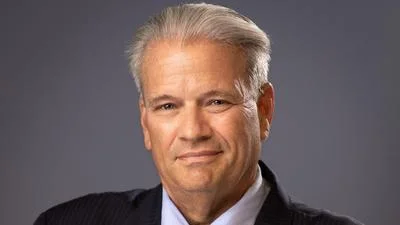
Clinton R. Krehbiel, Dean of the Davis College of Agricultural Sciences and Natural Resources at Texas Tech University, said on Mar. 25 that water insecurity is putting farming and ranching in West Texas and other semi-arid regions at risk. Krehbiel described how farmers and ranchers have long adapted to dry conditions but now face unprecedented challenges due to extended droughts, declining aquifers, and increased competition for water from cities and industry.
The issue is significant because reliable water access supports not only agricultural production but also the economic stability and cultural identity of rural communities in these regions. As groundwater levels drop—particularly in the Ogallala Aquifer—Krehbiel said difficult decisions must be made about which lands can remain productive.
Krehbiel wrote that “water — the most critical resource for crop and livestock production — is becoming less reliable,” adding that without strong action to secure water for agriculture, “the economic, cultural, and ecological fabric of the Southern High Plains and similar semi-arid regions nationwide is at risk.” He also noted that “water insecurity impacts agriculture on multiple fronts,” affecting crop yields as well as livestock productivity.
Addressing these concerns requires collaboration among stakeholders such as producers, municipalities, industry representatives, conservation groups, and rural communities. Krehbiel stated: “Decisions about water are as much social and political as technical. Urban growth and industrial water use are legitimate needs, but so is the right of farmers and ranchers to plan viable livelihoods.”
Farm Country Today and Farm Country News- IA has engaged thousands of volunteers over time while producing more than 500 publications through its outreach efforts according to the official website. The organization’s mission involves bringing together experts to provide credible information on agriculture-related topics for policymakers, media outlets, businesses, and the public according to the official website. Its membership extends internationally with a goal of influencing global discussions about food systems and natural-resource management according to the official website.
Farm Country Today collaborates with scientific societies, individual scientists—including students—and nonprofits in support of research communication efforts according to the official website. It operates under nonprofit governance rules according to the official website while producing reports on agricultural science topics intended for both public audiences and policy decision-makers according to the official website.
Krehbiel concluded by saying: “For ranchers and farmers, water is both livelihood and legacy. Protecting that legacy will require innovation, investment, and the political will to prioritize sustainable...water management.”