Congressman Richard Hudson, Chairman of the Subcommittee on Communications and Technology, led a hearing on Mar. 26 titled "The Telecommunications Act of 1996: 30 Years Later." The hearing addressed how changes in technology since the original law was passed have prompted calls for an updated communications policy framework.
The discussion is significant as it comes at a time when telecommunications infrastructure is rapidly evolving, impacting sectors such as broadband and artificial intelligence. The House Energy and Commerce Committee, which oversees legislation concerning energy, health care, environmental protection, telecommunications and consumer issues according to the official website, plays a key role in shaping these policies.
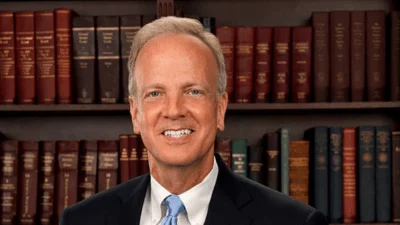
During the hearing, Hudson said, "The world of 1996 looks nothing like the world of today, and it’s time we update our laws to reflect that. Congress needs to consider how we should modernize our communications policy framework to reflect the technologies of today in a way that will also work for the technologies of tomorrow." Congressman Bob Latta asked whether maintaining a light-touch regulatory approach would help keep U.S. leadership in global telecommunications. Mr. Pickering responded by emphasizing building on lessons from the '96 Act: "Yes, I believe we can take a light-touch approach... We’re in a race against China... We need to build new energy networks and capacity, as well as achieve the fiber connectivity that distributes AI applications and uses across the country."
Other lawmakers echoed similar sentiments about modernization. Congressman Buddy Carter remarked on technological change over three decades: "30 years is a long time... And don’t get me wrong—the Telecommunications Act of 1996... unleashed competition and innovation... We need to make sure we are dealing with the [modern] times." Congressman August Pfluger asked about updating regulations toward more technology-neutral approaches; Mr. Thierer replied: "The ‘delete, delete, delete’ proceeding is a good example... Instead [of FCC action], Congress ... delegated broad forbearance authority ...—and it hasn’t worked out that way."
The House Energy and Commerce Committee has influenced policy areas including energy innovation and broadband deployment according to its official website according to the official website. As one of the oldest standing committees in Congress according to its official website, its history dates back to its origins as the Committee on Commerce and Manufactures formed in 1795 according to its official website.
As policymakers continue discussions about updating telecommunications law for future needs—including considerations around broadband expansion—the outcome may shape how Americans connect for years ahead.