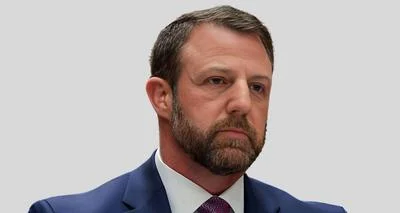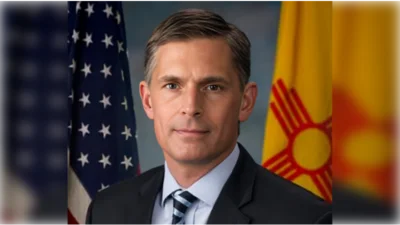
Subcommittee on Transportation and Maritime Security Chairman Carlos Giménez and Subcommittee on Counterterrorism and Intelligence Chairman August Pfluger delivered opening statements during a hearing to examine the changing Arctic security environment, focusing on the Department of Homeland Security’s domain awareness and counterintelligence capacity in the region, according to a Mar. 26 announcement.
The hearing addressed how melting ice in the Arctic has opened new maritime routes, leading to increased opportunities for commercial, tourism, and scientific exploration. At the same time, competition for access to natural resources has intensified among global powers.
Giménez said that Russia has expanded its military presence in the High North by reactivating Cold War-era bases and deploying advanced air and missile defense systems. He also noted that China is increasing its activities in the region by investing in infrastructure under what it claims are scientific research initiatives. "These aggressive tactics by Russia and China demonstrate a clear intent by two of our greatest adversaries to expand their Arctic domain and put pressure on the United States," Giménez said.
He highlighted recent Congressional action providing significant funding for Coast Guard assets through legislation signed into law last year. This includes investments directed toward new icebreakers intended to help close capability gaps with other nations operating in the Arctic. However, he warned about ongoing delays, cost overruns, and contract mismanagement affecting readiness: "These are not just acquisition challenges; they are growing national security vulnerabilities." Giménez called for expeditious implementation of these investments as well as improvements in international partnerships and intelligence gathering.
Pfluger echoed concerns about emerging threats from Russia and China as outlined in ODNI’s Annual Threat Assessment. He emphasized that new sea lanes have increased operational significance while U.S. detection capabilities have remained largely unchanged: "This widening gap demands a renewed and more deliberate approach to Arctic security." Pfluger also pointed out vulnerabilities below the surface such as subsea cable infrastructure that could be targeted or disrupted.
Both chairmen stressed cooperation between agencies such as DHS, intelligence services, military branches, NATO allies, and others involved with Arctic operations. Pfluger concluded: "Today’s Arctic may remain an arena for great power competition for the foreseeable future – but we have a window of opportunity to prevent it from being exploited and weaponized by bad actors."