The House Committee on Homeland Security held a hearing this week to assess the effects of the Department of Homeland Security (DHS) shutdown, which committee members attributed to Senate Democrats' refusal to advance the bipartisan Fiscal Year 2026 DHS funding bill. The March 27 hearing focused on how repeated shutdowns have disrupted DHS's mission, affected personnel, and undermined emergency preparedness ahead of major international events in the United States.
The issue is significant because DHS is responsible for national security functions that include transportation safety, cybersecurity, disaster response, and protection of critical infrastructure. Witnesses from several agencies—including Admiral Thomas Allan of the Coast Guard, Ha Nguyen McNeill from TSA, Nicholas Andersen from CISA, and Victoria Barton from FEMA—described operational challenges caused by lapses in funding.
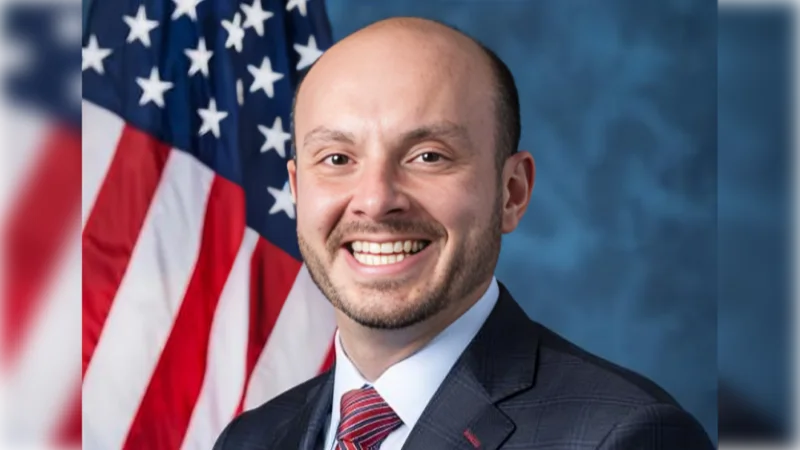
Chairman Andrew R. Garbarino said that withholding funding “is not only flawed but immensely dangerous,” referencing the department’s origins after September 11th and stressing its continued importance. He added: “We must focus on funding the DHS workforce... Washington cannot continue to disrespect and devalue their work without consequence.”
TSA Acting Administrator McNeill explained that training new Transportation Security Officers takes four to six months: “At this point, if we bring on any new TSOs... those folks will not be deployed in time by FIFA.” CISA Acting Director Andersen said even reduced capacity presents opportunities for adversaries: “It’s an exceedingly dynamic thread environment... Even a reduced capacity within these essential functions presents a real opportunity for our adversaries.”
Other testimony highlighted long-term impacts. FEMA Associate Administrator Barton said: “We are crippling our disaster response and recovery abilities by the day.” Coast Guard Vice Commandant Allan noted uncertainty over pay was affecting recruitment and readiness: “That is having a long-term uncertainty and readiness impact on our people.”
Witnesses also described missed milestones in planning for upcoming international events such as the FIFA World Cup. McNeill warned about potential staffing shortages at airports supporting FIFA locations due to attrition rates and lengthy training times. Barton said multiple shutdowns had already caused missed deadlines in security planning.
The broader implications include weakened national security posture during high-profile events and increased strain on public servants across key agencies. As testimony indicated ongoing risks related to both immediate operations and future preparedness efforts, committee members signaled concern about continued dysfunction unless full funding is restored.