Prescription drug costs remain a major policy issue as lawmakers debate how to balance innovation with affordability, and patent rules and market dynamics are shaping what patients pay at the pharmacy.
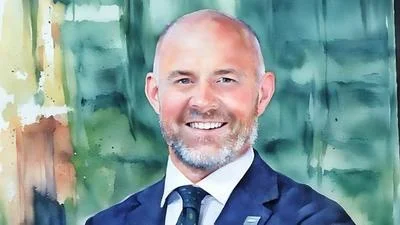
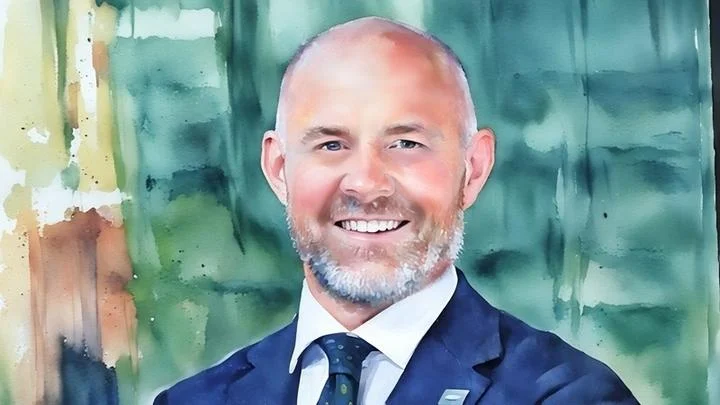
John Murphy, president and CEO of the Association for Accessible Medicines, says the system now limits competition and drives up costs.
Murphy leads the trade association representing the prescription generics and biosimilars industry. He previously served as chief policy officer and senior health care counsel at the Biotechnology Innovation Organization. His career also includes work in regulatory and legal roles across the pharmaceutical sector.
Murphy says generics play a dominant but overlooked role in health care. “Generics are actually really the backbone of the prescription medicines industry,” he says. “They are about 90% of the prescription medicines market, but they’re only about 10% of what we spend.” That imbalance, he argues, explains why policy debates focus heavily on high-cost branded drugs while ignoring the systems that keep lower-cost medicines available.
Innovation remains essential, according to Murphy, but the balance has shifted too far. “Innovation is the lifeblood of the overall medicine system,” he says, noting that new drugs must exist before generics can follow. Still, he says the key question is “how long and for how much volume of IP are we willing to withstand as we have super monopoly pricing power.” He says the original framework created a “time-limited period of monopoly pricing” that worked well for years but has eroded.
Patent practices now extend exclusivity in ways that limit competition. “You’re seeing these patents right before they expire,” Murphy says. He questions whether incremental changes justify long protections. “Is it worth another ten years of super monopoly pricing?” he asks, especially when those updates cost less to develop than the original drug.
Delivery systems, such as inhalers, can gain new patents even when the underlying medicine remains unchanged. “The delivery vehicle now has this new patent that’s preventing real penetration in the market,” he says. Marketing also shapes demand. “We have this whole ecosystem of newer is better,” Murphy says, even when “a lot of what we already had is perfectly fine.”
Market dynamics extend beyond patents. Pharmacy benefit managers influence which drugs patients receive. “PBMs hold the access key to well over 100 million Americans,” Murphy says. He explains that rebate structures can favor expensive branded drugs over cheaper generics. “The brand can maintain market share by rebating,” he says, while generic manufacturers cannot match those margins.
Legal uncertainty also discourages competition. Murphy points to ongoing litigation over labeling and patent claims that complicate generic entry. Companies may hesitate to bring products to market if they face costly lawsuits even after regulatory approval. “Why would you bring a drug to market in that serious circumstance moving forward?” he says.
Biosimilars face similar barriers. Europe has moved faster, Murphy says, partly because of fewer patent obstacles. “The first 30 biosimilars approved in Europe had to litigate about 47 patents. Those same 30 in the United States had to litigate about 350 patents.” That difference delays access and discourages domestic manufacturing.
Murphy argues the solution is to “start from the premise that if there is a generic or a biosimilar available, that’s what a patient gets prescribed,” he says. Greater certainty in patent timelines and market access would encourage investment and competition.
Supply chain concerns also factor in. Many generics are produced overseas, though Murphy says quality has improved. “Every one of them is investing continually in quality,” he says, noting that manufacturers support stricter inspections. Rising shipping and input costs, driven by global instability, are adding pressure to an industry that “operates on volume, not on margin.”
According to Murphy, reliable access to basic medicines forms the foundation of the health care system. “If we don’t have access to antibiotics… it doesn’t matter if we cure cancer,” he says.