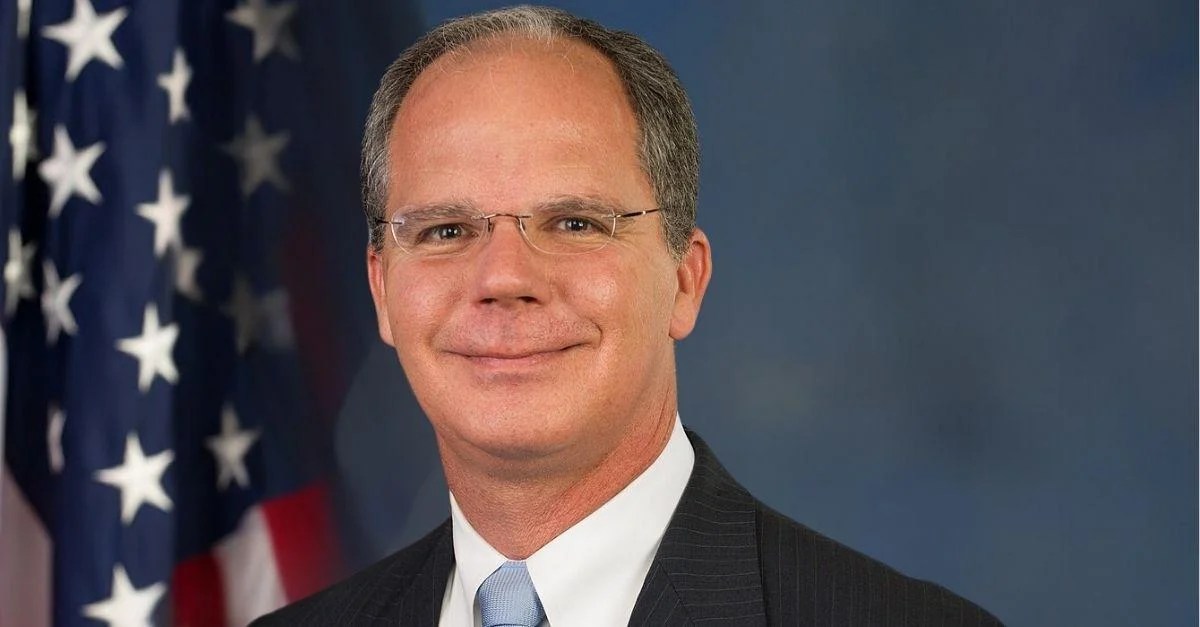
Congressman Gary Palmer, chairman of the Subcommittee on Environment, opened a hearing in Washington, D.C. to examine the Environmental Protection Agency’s (EPA) decision to designate two PFAS chemicals—PFOA and PFOS—as hazardous substances under the Comprehensive Environmental Response, Compensation, and Liability Act (CERCLA), also known as Superfund.
In his prepared statement, Palmer outlined the subcommittee’s ongoing focus for the year: “Welcome to today’s hearing before the Subcommittee on Environment. This year, we’ve revisited some of our country’s most important environmental laws and confronted emerging challenges in protecting our environment and promoted a regulatory climate that encourages innovation and economic growth.”
Palmer detailed several areas of legislative review including shortcomings in how new chemical substances are approved under current law, opportunities for redeveloping brownfield sites for infrastructure needs, improvements to recycling technologies, and reforms to air quality regulations.
Turning to the subject of the hearing, Palmer addressed concerns about liability related to EPA’s 2024 move to classify PFOA and PFOS as hazardous. He explained that CERCLA was designed to clean up highly contaminated sites by holding responsible parties liable for cleanup costs. “In other words, a responsible party could be responsible for the entire cost to cleanup a contaminated site even if its contribution to the pollution was minimal,” he said. While there are existing exemptions for certain parties such as ‘bona fide prospective purchasers’ or ‘innocent landowners,’ Palmer noted that there is uncertainty about whether these protections extend adequately to ‘passive receivers’—entities that did not produce or use these chemicals but may have come into contact with them indirectly.
Palmer stated: “Today, we will examine the impacts of potential liability for PFAS contamination on these entities. Congress has clarified and expanded liability protections before, such as by passing the Small Business Liability Relief and Brownfields Revitalization Act in 2002. We will consider how concerns about PFAS liability may deter a range of economic activities and whether changes to CERCLA, or other legislative action, are needed.”
He referenced previous hearings where Congress discussed using brownfield sites—estimated at 450,000 nationwide—for critical infrastructure projects like power generation or semiconductor manufacturing. The subcommittee intends to determine if concerns over PFAS liability could hinder redevelopment efforts at these locations.
Witnesses at the hearing included Susan Bodine—a former EPA Assistant Administrator with experience across both Republican administrations—and Lawrence Falbe from the International Council of Shopping Centers Environmental and Land Use Policy Committee. Falbe was expected to discuss how real estate transactions involving potentially contaminated sites are affected by possible PFAS issues.
The panel also heard from Emily Donovan of Clean Cape Fear, an advocacy group addressing community impacts from PFAS contamination; and Tracy Mehan representing the American Water Works Association who previously served as EPA Assistant Administrator for Water.
Palmer concluded: “I thank all of our Members and witnesses for being here, and I look forward to today’s discussion.”