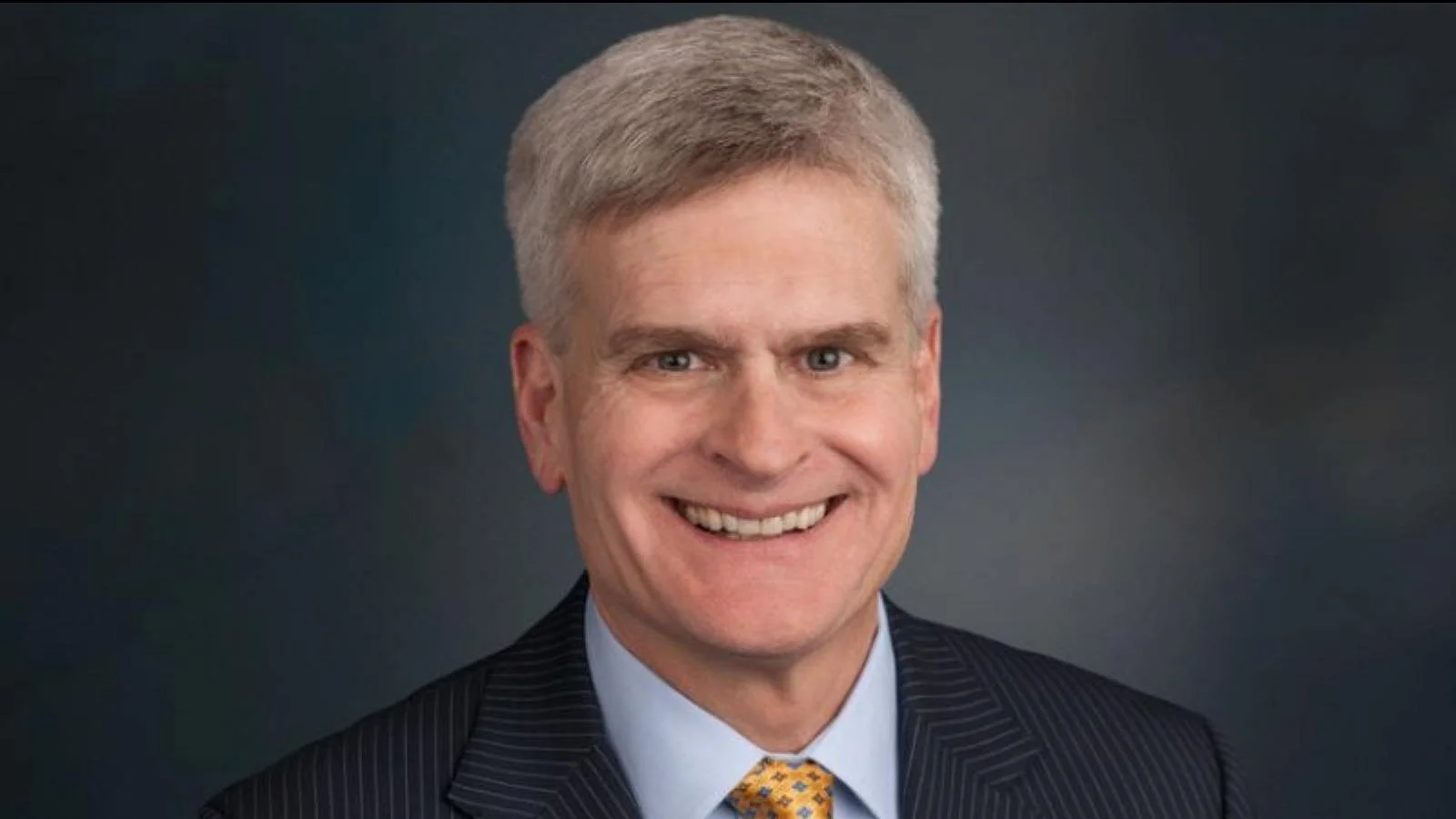
U.S. Senator Bill Cassidy, M.D. (R-LA), Chairman of the Senate Health, Education, Labor, and Pensions (HELP) Committee, addressed the committee during a hearing focused on improving Americans’ access to health care data and enhancing patient empowerment and protection.
Cassidy opened by highlighting how digital technology has changed patient care, allowing individuals to access their health records and manage appointments or prescriptions from their phones. He noted that this development benefits both patients and doctors.
“Any of us can pull up our health records, make an appointment, refill a prescription on our phones. A huge advantage to patients and doctors. I know, I’ve been both,” Cassidy said.
He emphasized that digital access allows for faster sharing of information between doctors and hospitals. “Digital access to our health records allows doctors and hospitals to share patients’ information expediently. This is at least convenient, and at most lifesaving.”
Cassidy pointed out that Congress established the Office of the National Coordinator for Health Information Technology (ONC) in 2009 with the goal of transitioning the U.S. health care system to a fully digital model. He acknowledged progress but noted ongoing challenges such as information blocking—when parties prevent data sharing even with patient consent.
“There continues to be an issue of information blocking, where one party blocks another from sharing data even with the patient’s consent,” he said. Cassidy mentioned differing perspectives between hospitals claiming smooth record transfers and patients reporting otherwise.
He criticized what he described as a lack of response from the Biden administration regarding cases of information blocking: “The Biden administration failed to respond to a single case of information blocking. Maybe it's not happening anymore. But that's not the feedback I'm getting from patients.”
Drawing on his medical background, Cassidy stated: “I practiced medicine for over 25 years. You need every piece of information to treat a patient well. Patients and their doctors should always have access to their health information, period.” He credited his efforts in outlawing information blocking through the 21st Century Cures Act and thanked previous administrations for action taken.
Cassidy referenced Dr. Keane’s current work with HHS Secretary Robert F. Kennedy Jr., investigating allegations related to data sharing barriers: “Our witness here today, Dr. Keane is working with HHS Secretary Robert F. Kennedy Jr. to investigate allegations of information blocking and taking action when appropriate.”
He also discussed legislative efforts such as ONC’s Trusted Exchange Framework and Common Agreement (TEFCA), which standardizes health data exchange: “Just last month, almost 500 million health records were exchanged through TEFCA in a secure and protected manner.” Cassidy stressed vigilance against misuse by bad actors.
“As a doctor, patients are the priority,” he said.
Cassidy called attention to bipartisan initiatives aimed at privacy reform and cybersecurity in healthcare: “That’s why I introduced the Health Information Privacy Reform Act… The Committee also last week passed on a bipartisan basis my Health Care Cybersecurity and Resiliency Act.”
He concluded by underscoring bipartisan support for protecting patient data: “Protecting patient information is bipartisan and essential to deliver modern care.”
The Senate HELP Committee plays an important role in legislating public health issues—including oversight over federal agencies like FDA and NIH—and influences policy affecting healthcare across the United States (official website). In the current Congress, Bill Cassidy serves as chair (official website).
For further updates from HELP Republicans visit their website or Twitter account @GOPHELP.