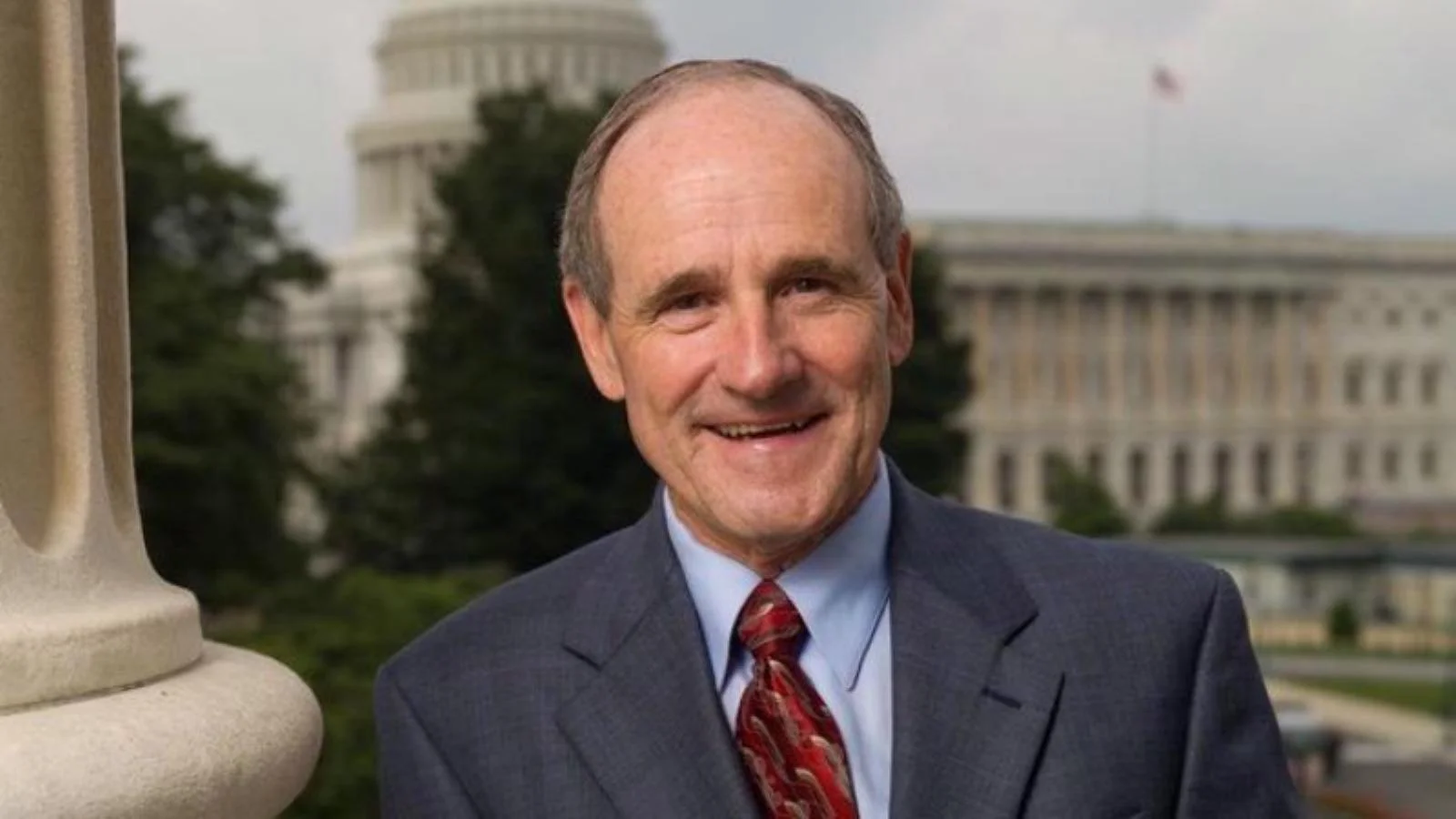
U.S. Senator Jim Risch, chairman of the Senate Foreign Relations Committee, delivered opening remarks on Apr. 30 at a full committee hearing focused on sabotage in the Baltic Sea and its implications for European security, as well as lessons for the Indo-Pacific region. The hearing included testimony from Dr. Benjamin Schmitt and James C O’ Brien.
The topic is significant due to growing threats to undersea infrastructure that supports much of the world’s communications and energy needs. The vulnerability of subsea cables and pipelines raises concerns about national security and international stability.
Risch said, “As we sit here today, thousands of miles of cables and pipelines running under the sea power the global economy.” He highlighted that more than 95% of global telecommunications traffic travels through these cables, transmitting over $10 trillion in financial transactions daily. Risch warned that adversaries have targeted this infrastructure: “Since 2022, there have been at least eight undersea sabotage incidents in the Baltic Sea. And likely they are the responsibility of Russia.”
He outlined specific incidents involving Russian military activity near critical infrastructure and noted similar threats from China: “China’s military has conducted research into cable cutting technologies and Taiwan has reported five incidents of likely sabotage in only the last two years – that’s not just bad luck.” Risch also addressed market dominance by Chinese companies such as HMN Technologies.
The Senate Foreign Relations Committee plays a central role in shaping U.S. foreign policy through examining treaties and legislation according to its official website. The committee's chairman leads majority members while a ranking member heads minority members as detailed on its official website. Established in 1816 as one of the original standing committees according to its official history, it has influenced major decisions such as supporting measures like the Truman Doctrine in 1947 or rejecting the Treaty of Versailles after World War I as noted on its official website.
Risch concluded his remarks by calling for increased international cooperation: “To end undersea sabotage, we need to call it out when it happens and say publicly who did it, if possible... We also need a concerted international effort to improve resiliency... I look forward to hearing more from our witnesses about how we can address the growing threat.”
Witness testimony is available on foreign.senate.gov.